
Google Fitbit Air Review: The Best Affordable Fitness Tracker of 2026?
The fitness tracker market has been dominated by expensive smartwatches for years. However, Google just changed the conversation completely. The new Fitbit Air is a screenless health band that weighs just 12 grams, lasts up to a week on a single charge, and costs significantly less than competing devices from Apple and Samsung.
Furthermore, it is generating more buzz than anything Fitbit has released since Google took over the brand. In fact, the Fitbit Air is the highest-profile, most exciting fitness release of 2026 so far. TechRadar
But is it actually worth buying? This review covers everything you need to know before spending your money.
What Is the Fitbit Air?
The Fitbit Air is Google’s answer to Whoop — the subscription-based fitness tracker beloved by serious athletes and health-conscious professionals. However, unlike Whoop, the Fitbit Air does not require a monthly subscription to access its core features.
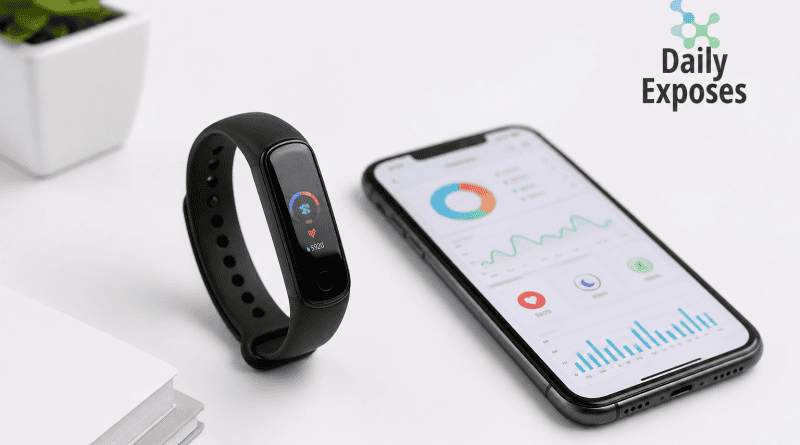
It is a screenless Whoop-style band weighing just 12 grams including strap, with up to a week of battery life. There is no display to check — all your data lives in the Fitbit app on your phone. The band itself simply tracks, measures, and transmits. TechRadar
This approach keeps the device lightweight, the battery life long, and the price down. Additionally, it means there are no notifications, no apps, and no distractions on your wrist — just pure health tracking.
Design and Build Quality
The Fitbit Air is remarkably light. At 12 grams it is lighter than most rings and barely noticeable on your wrist during workouts or sleep. The band is made from a soft silicone material that is comfortable for 24/7 wear without causing skin irritation.
Furthermore, the build feels premium despite the affordable price point. The clasp is secure without being fiddly. The band is available in several neutral colors that work for both gym and office settings.
The screenless design is a deliberate choice rather than a cost-cutting measure. Without a display, there is nothing to crack, nothing to dim over time, and no reason to keep your wrist facing up during meetings. It is genuinely one of the most discreet fitness trackers available.
Health Tracking Features
This is where the Fitbit Air earns its reputation. The sensor suite is impressive for the price point.
Heart Rate Monitoring
Continuous heart rate monitoring runs 24 hours a day. The accuracy is comparable to devices costing two to three times as much. Additionally, the Fitbit Air tracks heart rate variability (HRV) — a key indicator of recovery quality and overall health status that most entry-level trackers do not measure.
Sleep Tracking
Sleep tracking is one of the Fitbit Air’s strongest features. It tracks sleep stages — light, deep, and REM — with accuracy that rivals clinical sleep monitoring devices in most conditions. Furthermore, the morning sleep score gives you a clear daily snapshot of how well you recovered overnight.
Stress and Recovery Scoring
The device calculates a daily readiness score based on your heart rate variability, sleep quality, and activity levels. This tells you whether your body is ready for intense training or needs an easier day. Consequently, it brings a feature previously only available in premium devices like Whoop and Oura Ring to a much lower price point.
Blood Oxygen (SpO2)
The Fitbit Air continuously monitors blood oxygen saturation. Moreover, it alerts you if levels drop below healthy thresholds during sleep — an important indicator for conditions like sleep apnoea.
Activity Tracking
Step counting, calorie burn estimation, active minutes, and automatic workout detection are all included. The automatic workout detection recognizes over 40 exercise types without requiring you to manually start a tracking session.
The App Experience
The Fitbit app has been significantly improved since Google took full control of the platform. It is clean, intuitive, and presents your health data in a way that is genuinely understandable rather than overwhelming.
However, this is also where the main criticism of the Fitbit Air lies. The Google Fitbit Air review notes it is the affordable Whoop alternative with a messy AI-powered app. The AI coaching features that Google has integrated into the app feel underdeveloped compared to the hardware quality. The suggestions are sometimes generic, and the AI insights do not always feel personalized in a meaningful way. TechRadar
Furthermore, some users have reported that the app’s AI features drain phone battery faster than expected. This is a software issue that Google can address through updates, but it is worth being aware of at launch.
Battery Life
One week of battery life is the headline claim and in testing it largely holds up. With continuous heart rate monitoring, sleep tracking, and SpO2 monitoring all running simultaneously, most users report five to seven days between charges depending on usage intensity.
Charging is fast — a full charge takes approximately one hour via the magnetic charging cable included in the box. Additionally, 15 minutes of charging provides enough power for a full day of use, which is genuinely convenient for busy users.
Price and Value
The Fitbit Air is positioned at a significantly lower price point than its main competitors. The Oura Ring costs $299 plus a $5.99 monthly membership fee. Whoop charges a monthly subscription with no device purchase option. Apple Watch SE starts at $249.
The Fitbit Air sits well below these options with comparable or superior health tracking features on the metrics that matter most — HRV, sleep staging, and recovery scoring.
For anyone who wants serious health insights without paying serious health device prices, the Fitbit Air represents genuinely exceptional value in 2026.
Who Should Buy the Fitbit Air?
The Fitbit Air is the right choice if you want accurate health and sleep tracking without the cost of premium devices, if you exercise regularly and want recovery-based guidance, if you prefer a discreet screenless device over a smartwatch, and if you are looking for a Whoop or Oura Ring alternative at a lower price.
However, it is not the right choice if you want notifications, apps, or any smart features on your wrist, if you prefer seeing your data directly on your device, or if the AI coaching features are important to you.
Frequently Asked Questions
Does the Fitbit Air require a subscription?
No. Core health tracking features are available without a subscription. Some premium AI coaching features may require a Fitbit Premium subscription, which costs $9.99 per month or $79.99 per year.
Is the Fitbit Air waterproof?
Yes. The Fitbit Air is water resistant to 50 metres, making it suitable for swimming and showering.
How does the Fitbit Air compare to Whoop?
Both are screenless health bands focused on recovery and HRV tracking. The Fitbit Air has a lower cost of entry and no mandatory subscription. Whoop has a longer track record and slightly more sophisticated coaching algorithms. For most users the Fitbit Air represents better value.
Does it work with iPhone?
Yes. The Fitbit Air is compatible with both iPhone (iOS 16 and above) and Android (Android 9 and above).
How long does the Fitbit Air last before needing replacement?
Google has not specified an official device lifespan but Fitbit devices typically last two to three years with normal use.
This review is based on publicly available information and user reports as of August 2026. Prices and features may vary by region.
