
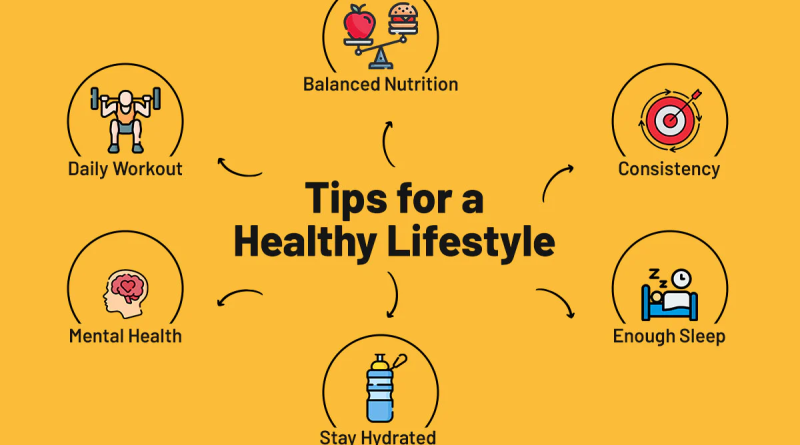
Easy Daily Habits for a Healthier Lifestyle: 18 Simple Changes That Actually Work
- Why Small Habits Beat Big Changes Every Time
- Morning Habits That Set Up Your Whole Day
- Daytime Habits for Energy and Focus
- Evening Habits for Better Sleep and Recovery
- Nutrition Habits Worth Building
- Mental Health Habits That Are Easy to Overlook
- How to Actually Build These Habits
- Frequently Asked Questions
Most people think getting healthier means some kind of dramatic overhaul. A strict new diet. A 5am gym routine. A complete lifestyle transformation starting Monday.
And then Monday comes. Life gets in the way. Nothing changes.
However, that is not actually how lasting health improvements happen. In fact, research consistently shows that small, consistent daily habits produce far better long-term results than intense short-term efforts. It is not about being perfect. It is about being slightly better, more often.
Additionally, this guide covers the habits that actually make a difference — broken down by the time of day they work best, so you can build a routine that fits your real life rather than some idealized version of it.
Why Small Habits Beat Big Changes Every Time
Before diving into the habits themselves, it helps to understand why small changes consistently outperform dramatic ones.
When you try to change too much at once, willpower becomes a limited resource. You rely on motivation, which naturally fluctuates, and every decision feels effortful and draining. Eventually, you run out of steam.
Small habits work differently. They attach to things you already do. They require minimal motivation to start. Furthermore, once they become automatic — which typically takes between 21 and 66 days — they stop requiring effort at all.
The goal is to make healthy behaviors your default, not your exception.
Morning Habits That Set Up Your Whole Day
How you start the morning has a disproportionate influence on how the rest of the day goes. Moreover, these habits take less than 30 minutes combined but make a genuine difference.
1. Drink Water Before Anything Else
Your body loses water while you sleep through breathing and minor sweating. As a result, you wake up in a mildly dehydrated state every morning. That grogginess you feel is partly dehydration.
Drinking 400 to 500ml of water first thing rehydrates your body, kickstarts your metabolism, and helps with mental clarity before you have even had coffee. Furthermore, keep a glass or bottle on your bedside table tonight. The habit costs nothing and takes 30 seconds.
2. Get Natural Light Within the First Hour
This one sounds almost too simple. However, exposure to natural light in the morning signals to your brain that the day has started, which helps regulate your circadian rhythm. Additionally, open your curtains immediately when you wake up. If possible, step outside for even five minutes.
3. Move Your Body for 10 Minutes
You do not need a full workout first thing in the morning. However, 10 minutes of movement — stretching, a short walk, some bodyweight exercises — gets your blood moving and produces endorphins that improve your mood and focus.
Furthermore, if you currently do no morning movement, 10 minutes is the perfect starting point. It is short enough that you cannot really justify skipping it, but impactful enough to feel the difference.
4. Avoid Your Phone for the First 30 Minutes
This is the habit most people resist most. However, it probably makes the most difference of all.
When you reach for your phone immediately after waking up, you start your day in a reactive state. You respond to other people’s agendas before you have had a moment to set your own. Consequently, keeping that first 30 minutes phone-free gives your brain a gentler start.
Daytime Habits for Energy and Focus
5. Eat Actual Balanced Meals
Many people skip breakfast, eat a rushed lunch at their desk, and then snack constantly throughout the afternoon. As a result, blood sugar stays unstable — causing energy crashes, brain fog, and cravings for sugar and caffeine.
Three balanced meals with protein, complex carbohydrates, healthy fats, and vegetables keeps energy more stable throughout the day. For more on protein-rich meal options, our guide on high-protein foods covers the best sources and portion sizes in detail.
6. Take a Proper Lunch Break
This one sounds obvious. However, most people do not actually do it. Eating at your desk while continuing to work does not count as a break.
A genuine 20 to 30 minute break away from your workspace allows your brain to rest. As a result, afternoon focus and decision-making actually improve. Step outside if you can.
7. Stand Up and Move Every Hour
If your job involves sitting at a desk, prolonged sitting has well-documented negative effects on cardiovascular health, posture, and energy levels. Furthermore, this is true even if you exercise regularly outside of work.
The fix is simple. Get up and move for two to three minutes every hour. Walk to get water, do some shoulder rolls, walk around the room. Set a phone reminder if needed.
8. Stay Consistently Hydrated
Most people drink far less water than they need. A practical approach is to keep a water bottle at your desk and aim to refill it at least twice during a workday. Additionally, herbal teas count toward your daily fluid intake.
Evening Habits for Better Sleep and Recovery
9. Maintain a Consistent Sleep Schedule
Your body’s circadian rhythm works best with consistency. Going to bed and waking up at roughly the same time every day, including weekends, is one of the most impactful sleep habits you can build.
Moreover, people who maintain consistent sleep timing report better sleep quality, easier mornings, and more stable energy levels throughout the day.
10. Create a Wind-Down Routine
Your brain needs time to transition from the alertness of the day to the relaxed state needed for sleep. Consequently, a wind-down routine signals to your brain that sleep is coming.
It does not need to be elaborate. Even 20 to 30 minutes of low-stimulation activity before bed makes a difference. This might look like dimming your lights, reading a physical book, light stretching, or a warm shower. For a deeper exploration of recovery habits, our guide on building muscle with exercise and healthy habits covers sleep and recovery in detail.
11. Reduce Screen Time Before Bed
The blue light emitted by phones, tablets, and computers suppresses melatonin — the hormone that tells your body it is time to sleep. Furthermore, even 30 minutes of phone use before bed can delay sleep onset and reduce sleep quality.
Putting your phone in another room at night is one of the most effective sleep improvements you can make.
12. Prepare for Tomorrow Tonight
Spending 10 minutes at the end of each day doing basic preparation for the next one removes dozens of small decisions from your morning. Lay out clothes, pack a bag, write a short task list. As a result, mornings become significantly less stressful.
Nutrition Habits Worth Building
13. Add Vegetables to Every Meal
Most people eat vegetables as an afterthought. However, the goal should be making vegetables a central part of each meal rather than an optional addition.
A simple rule: does every meal have at least one vegetable? If yes, you are already ahead of the majority of people. Furthermore, frozen vegetables are nutritionally equivalent to fresh ones and cost significantly less.
14. Reduce Ultra-Processed Food Gradually
Ultra-processed foods are specifically engineered to be easy to eat in large quantities. However, they tend to be low in fiber, high in refined carbohydrates and unhealthy fats, and they do not keep you full for long.
The key word is gradually. Trying to eliminate processed food overnight almost never works. Instead, a more sustainable approach is crowding it out by adding more whole foods to your diet.
15. Eat Protein at Every Meal
Protein is the most satiating macronutrient. It keeps you full longer than carbohydrates or fats alone. Additionally, it helps maintain muscle mass and supports dozens of bodily functions.
Most people eat protein primarily at dinner. However, distributing it more evenly across all three meals helps maintain energy and reduces afternoon snacking. Healthline’s protein guide provides a clear breakdown of daily protein targets by body weight and activity level.
Mental Health Habits That Are Easy to Overlook
16. Spend Time Outside Every Day
Being outdoors — even briefly — has well-documented benefits for mental health. Natural environments reduce cortisol levels, improve mood, and provide a mental reset that indoor environments simply do not replicate.
Furthermore, aim for at least 15 to 20 minutes outside daily. A lunchtime walk, a morning coffee on a balcony, an evening stroll around the block — all of these count.
17. Practice Genuine Rest
There is an important difference between rest and distraction. Scrolling through social media or watching television for hours is distraction. Your brain is still processing and reacting.
Genuine rest means periods of low stimulation where your mind can wander freely. A walk without headphones. Sitting quietly for a few minutes. These moments of genuine rest are what actually restore mental energy.
18. Connect With Someone You Care About
Meaningful social connection is one of the strongest predictors of long-term wellbeing. However, it is one of the first things that gets deprioritized when life gets busy.
Building even small daily connection habits matters. A proper conversation with a family member at dinner, a voice note to a friend, a genuine check-in with a colleague. These small acts of connection compound over time.
How to Actually Build These Habits
Reading a list of healthy habits is easy. Building them is harder. However, here is what actually works.
Choose two or three, not fifteen. Pick the habits that feel most relevant to where you are right now. Trying to implement everything at once guarantees you will implement nothing.
Attach them to existing routines. Habits stick better when connected to things you already do. A five-minute journal entry after your morning coffee. A short walk after lunch. Ten minutes of reading before sleep.
Expect imperfect consistency. Missing one day is normal and irrelevant. Moreover, the response to missing a day should always be to do it the next day, not to restart from scratch.
Frequently Asked Questions
How long does it take to form a new habit?
Research suggests the range is 18 to 254 days, with 66 days being a common average. However, this varies significantly by the person and the habit. Be patient with yourself, especially in the first two months.
What is the most important habit to start with?
Sleep. Almost everything else — energy, mood, willpower, appetite, focus — is significantly influenced by sleep quality and quantity. Furthermore, if you can only improve one thing, improve your sleep first.
Do I need to exercise every day?
No. For general health, 150 minutes of moderate activity per week is the widely recommended guideline. Additionally, rest days are important for recovery. Consistency over months matters far more than intensity on any given day.
Is it okay to have bad days?
Not just okay — inevitable. The goal of building healthy habits is not perfection. It is raising your average. Moreover, a bad day surrounded by good days is just a bad day. It does not undo your progress.
What if I have a very busy schedule?
Most of the habits in this guide take less than 10 minutes each. The question is rarely about time. It is about priority. Even on the busiest days, drinking water when you wake up, going outside briefly at lunch, and putting your phone away before bed are all achievable.
This article is intended for general informational purposes. For personalized health advice, please consult a qualified healthcare professional.