
What Is Wellness Tourism? A Complete Guide for Travelers and Hosts
There is a noticeable shift happening in the way people travel. More and more people are choosing trips that leave them feeling genuinely better. Not just rested after a holiday, but healthier, clearer-headed, and more balanced than before they left.
This is what wellness tourism is about. And it is one of the fastest-growing segments in the entire travel industry right now.
If you are a traveler curious about this style of travel, or someone running a small accommodation who wants to understand what wellness-minded guests are looking for, this guide covers everything you need to know.
What Wellness Tourism Actually Means
Wellness tourism is travel with the deliberate goal of maintaining or improving your physical, mental, or emotional health. The trip itself is designed around experiences that make you feel better, not just entertained.
This does not mean everyone on a wellness trip is visiting a luxury spa resort. Most wellness travelers are ordinary people who want to come home from a trip feeling refreshed rather than exhausted. They want better sleep, less stress, more time in nature, and food that actually nourishes them.
The difference between regular travel and wellness travel is really about intention. A regular holiday might leave you needing another holiday to recover. A wellness-focused trip is designed so that you come back genuinely recharged.
Why More People Are Choosing Wellness Travel
The growth in wellness tourism is not a coincidence. Several things have converged to make it one of the most significant trends in travel right now.
Work stress has reached a level where the traditional one-week beach holiday is no longer enough for many people. They want experiences that actively help them decompress rather than simply distract them.
The pandemic shifted priorities for a lot of people. After years of disruption and uncertainty, many travelers came out of it with a sharper awareness of their health and a stronger desire to protect it. Travel that supports well-being suddenly felt more valuable than travel that was purely about entertainment or ticking off bucket list destinations.
Mental health awareness has grown significantly. As more people take their mental health seriously in daily life, it has naturally extended into how they approach travel. A trip that includes mindfulness, time in nature, and genuine rest is appealing to people who understand the value of those things.
And social media has played its part. Images of peaceful mountain retreats, sunrise yoga sessions on a quiet beach, and farm-to-table breakfasts in a countryside inn have made wellness travel feel aspirational and achievable for a mainstream audience.
What Wellness Travelers Are Actually Looking For
This is where things get practical. Wellness travelers are not all the same. They range from serious health-focused travelers seeking medical spas and detox retreats to much more everyday travelers who simply want a calmer, more restorative experience.
But across all of them, some common themes emerge.
Peaceful environments. Wellness travelers actively avoid noisy, crowded environments. They are drawn to places with natural surroundings, quiet rooms, and a general sense of calm. If your property is near forests, mountains, rivers, or countryside, that is a significant asset.
Nature access. Time in nature is one of the most consistent things wellness travelers seek. Hiking trails nearby, a garden to sit in, a lake to swim in, open green space to walk through. The ability to connect with the natural world is often the primary reason a wellness traveler chooses a particular destination.
Healthy food options. Wellness travelers pay attention to what they eat. This does not mean every meal has to be a health food masterpiece. It means they appreciate knowing where ingredients come from, having fresh options available, and feeling like the food they are eating is actually good for them.
Slower pace. Wellness travel is not about cramming in as many experiences as possible. It is about depth over breadth. Travelers who approach a trip with wellness in mind want time to actually sit with an experience rather than rushing to the next one.
Mindfulness and reflection opportunities. Whether it is a meditation space, a yoga class, access to a spa, or simply a quiet corner to read and journal, wellness travelers look for opportunities to slow down mentally as well as physically.
Genuine hospitality. There is something about being genuinely cared for as a guest that matters more to wellness travelers than to the average tourist. They respond to hosts who are present, thoughtful, and genuinely interested in making their stay restorative rather than just comfortable.
Why Inns and B&Bs Are Perfectly Positioned for Wellness Tourism
Large hotels struggle to deliver genuine wellness experiences because of their scale. You cannot create a truly calm, personalized environment in a 200-room property. The noise, the crowds, the transactional nature of the experience all work against it.
Inns and bed-and-breakfasts have natural advantages that align almost perfectly with what wellness travelers are looking for.
The smaller scale means it is quiet. There are not dozens of families in the corridors at all hours. Guests are not waiting in a queue of twenty people for breakfast. The environment itself is calmer.
Personalized service is built into the model. A B&B host who knows every guest by name, understands their dietary preferences, and can make a tailored recommendation for a local walking trail is delivering something a large hotel simply cannot replicate.
The connection to local character and surroundings is usually stronger in smaller properties. Inns and B&Bs are more often found in countryside, coastal, or small-town settings that wellness travelers actively seek out. They tend to feel like places rather than facilities.
And the intimacy of the setting creates the kind of genuine human connection that wellness travelers increasingly value. Being welcomed as a person rather than a room number matters.
Simple Ways Inns and B&Bs Can Embrace Wellness Tourism
The good news is that embracing wellness tourism does not require a major renovation or a large budget. It often means doing more intentionally what smaller properties are already naturally good at.
Lead with your natural surroundings. If you are near walking trails, forests, a lake, or scenic countryside, make this the centrepiece of how you describe your property. Wellness travelers are actively searching for these settings. Use specific language in your listings and descriptions rather than generic phrases.
Offer a genuinely nourishing breakfast. Fresh local ingredients, real fruit, quality coffee, options for different dietary needs. This does not have to be elaborate. It just has to feel thoughtful and genuinely good. The breakfast at a B&B is often one of the most memorable parts of the stay and an opportunity to set the tone for a wellness-focused experience.
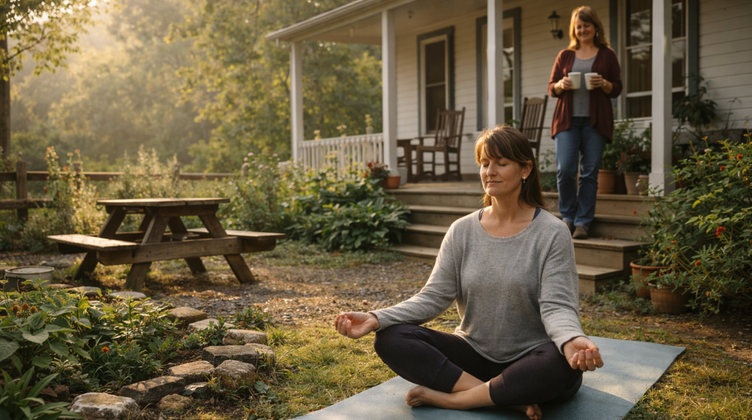
Create space for quiet. A comfortable sitting area that is phone-free, a garden where guests can read undisturbed, a porch where someone can sit with a coffee and listen to birds. These things cost almost nothing but mean a great deal to guests who specifically came to slow down.
Curate local wellness recommendations. Know the best local walking routes and have printed maps available. Know which local practitioners offer massage, yoga, or other wellness services and have their information ready. Know which local restaurants use fresh local produce. Being a knowledgeable guide to your local area’s wellness offerings is something guests genuinely appreciate.
Consider small wellness additions over time. A yoga mat and a short guided morning stretch session in the garden. A selection of herbal teas alongside the coffee. Blackout curtains and quality mattresses for better sleep. These do not require major investment but they signal to wellness-minded guests that you understand what they are looking for.
Be honest and specific in how you market your property. Wellness travelers research carefully before booking. Specific, honest descriptions of your setting, your approach to hospitality, and what guests can expect will attract the right guests and set the right expectations.
The Business Case for Embracing Wellness Tourism
Beyond the guest experience benefits, there are real business reasons for smaller accommodation providers to pay attention to this trend.
Wellness travelers tend to stay longer. A guest who comes specifically for restoration is more likely to book three or four nights than someone passing through on a driving holiday.
They tend to spend more thoughtfully. Wellness travelers often have a higher willingness to pay for an experience that genuinely delivers on its promise. A property that clearly understands wellness and delivers it well can command better rates than a generic B&B of similar size and location.
They leave better reviews. Guests who came specifically for rest and restoration and got it are among the most appreciative reviewers you will encounter. The specificity and warmth of these reviews attracts more similar guests.
They come back. Wellness travel is habitual for many people. Finding a place that genuinely delivers on what you were looking for creates strong loyalty. Repeat guests who return annually or seasonally are among the most valuable relationships a small accommodation can build.
And word of mouth from wellness travelers tends to be high quality. These guests are often part of communities, whether online or social, of people with similar values. A recommendation from a wellness traveler often reaches a highly relevant and receptive audience.
How to Reach Wellness Travelers
Getting your property in front of wellness-minded travelers requires some deliberate positioning.
Your online listings need to speak their language. Words like peaceful, restorative, nature, slow, quiet, local, genuine, and fresh resonate with this audience. Generic terms like comfortable and convenient do not.
Photography matters enormously. Wellness travelers respond to images that evoke the feeling of being there. A misty morning view from a bedroom window, a breakfast tray in a garden, a walking trail through nearby woods. These images communicate what no amount of written description fully can.
Platforms like Hipcamp and Glamping Hub attract specifically nature and wellness-oriented travelers and are worth exploring alongside mainstream booking sites.
Social media can be powerful if used authentically. Sharing genuine moments from your property, the seasonal garden, the local trail, the morning mist across the fields, builds an audience of people who respond to exactly what you offer.
Frequently Asked Questions
Is wellness tourism only for luxury travelers?
No. While luxury wellness resorts exist, wellness tourism covers a huge range of experiences and budgets. Many wellness travelers specifically prefer smaller, more authentic properties over expensive resorts because they feel more genuine and less manufactured.
Do I need spa facilities to attract wellness travelers?
No. Spa facilities are one option but far from the only one. Natural surroundings, quiet environments, good food, and thoughtful hospitality are often more important to wellness travelers than any specific facility.
How is wellness tourism different from medical tourism?
Medical tourism involves traveling specifically for medical treatment or procedures. Wellness tourism is about travel that supports general well-being, prevention, and restoration rather than treating specific conditions.
Is wellness tourism growing?
Yes significantly. The global wellness tourism market was valued at over $800 billion before the pandemic and has grown substantially since, driven by increased health awareness and the desire for more meaningful travel experiences.
What age group is most interested in wellness travel?
Wellness travel appeals across age groups. Younger travelers in their 20s and 30s are increasingly interested, as are older travelers in their 40s and 50s who have the disposable income to invest in restorative experiences. It is genuinely cross-generational.
Final Thoughts
Wellness tourism is not a niche trend that will fade. It reflects a genuine and lasting shift in what people want from travel. More intention. More restoration. More connection to nature and to the experience of actually being somewhere rather than just passing through.
For travelers, understanding what wellness travel looks like gives you better tools to plan trips that leave you genuinely refreshed rather than just entertained.
For inns and B&Bs, the opportunity is significant. The things that define great small accommodation, personalized care, peaceful settings, connection to local character, are exactly what wellness travelers are seeking. The main shift required is not structural. It is intentional. Lean into what you already do well and communicate it clearly to the people actively looking for it.
This article is for general informational purposes. Wellness travel experiences vary widely by destination, property, and individual preferences.