

How to Boost Your Immune System with the Right Foods
Your immune system is working around the clock. Every single day it is identifying and dealing with bacteria, viruses, and other potential threats before you ever notice them.
Most of the time you take it completely for granted. Until you get sick. And then you wish you had paid more attention.
The good news is that what you eat has a genuine and significant impact on how well your immune system functions. Not in a miracle-cure way. Not in a “eat this superfood and never get ill again” way. But in a real, research-backed, every-day-adds-up kind of way.
This guide explains how nutrition and immune function connect, which specific foods make a real difference, and what habits actually support your body’s defences over time.
How Your Immune System Works
Before diving into specific foods, it helps to understand what you are actually trying to support.
Your immune system is not a single organ or location in your body. It is a network of cells, tissues, proteins, and organs that work together to identify and neutralize threats. This network includes your skin (your first line of defence), white blood cells of various types, antibodies, your lymphatic system, your bone marrow, and increasingly studied, your gut.
The gut connection is particularly important for nutrition. Approximately 70% of your immune system lives in and around your digestive tract. The community of bacteria, fungi, and other microorganisms living in your gut (called the microbiome) plays a central role in regulating immune responses. What you eat directly shapes your microbiome, which in turn influences how your immune system functions.
This is why nutrition is not just about “getting enough vitamins.” It is about creating the conditions in your body where the immune system can do its job effectively.
Getting enough protein is also important for immune cell production. Our guide on high-protein foods covers the best sources in detail.
Key Nutrients Your Immune System Needs
Several specific nutrients are directly involved in immune function. Deficiencies in any of them measurably impair your body’s ability to fight infection and illness.
Vitamin C
Vitamin C is probably the most well-known immune-supporting nutrient. It supports the production and function of white blood cells, works as an antioxidant that protects immune cells from damage, and plays a role in the physical barrier your skin provides against pathogens.
Your body cannot produce or store vitamin C so you need a consistent daily supply. The good news is it is widely available in common foods. Red bell peppers actually contain more vitamin C per gram than oranges. Kiwi fruit, strawberries, broccoli, Brussels sprouts, and citrus fruits are all excellent sources.
Vitamin D
Vitamin D deficiency is one of the most common nutrient deficiencies worldwide and one of the most directly linked to immune function. Vitamin D receptors are found on almost every type of immune cell and it plays a significant role in regulating both the speed and intensity of immune responses.
Many people, particularly in regions with limited sunlight during winter months, are deficient in vitamin D without knowing it. Fatty fish like salmon and mackerel, egg yolks, and fortified foods like some dairy products and cereals contain vitamin D. But sunlight remains the most efficient source. During winter or in low-sunlight environments, supplementation is often worth considering.
Zinc
Zinc is essential for the development and function of immune cells. Even mild zinc deficiency impairs immune response. Zinc also has direct antiviral properties and is involved in wound healing.
Shellfish, particularly oysters, are among the richest zinc sources. Red meat, legumes, seeds, and nuts are also good sources. Plant-based sources of zinc are less bioavailable than animal sources, meaning vegetarians and vegans need to pay particular attention to their intake.
Vitamin A
Vitamin A plays a critical role in maintaining the integrity of the mucosal barriers in your respiratory tract, digestive system, and skin. These physical barriers are your immune system’s first line of defence against pathogens.
Sweet potatoes, carrots, leafy green vegetables, and liver are all rich in vitamin A or its precursor beta-carotene.
Iron
Iron is needed for the growth and function of immune cells. Iron deficiency impairs the ability of immune cells to multiply rapidly in response to infection, which is exactly what they need to do when your body is fighting something off.
Red meat, legumes, dark leafy greens, and fortified cereals are good iron sources. Iron from plant sources is better absorbed when eaten alongside vitamin C.
B Vitamins
Several B vitamins, including B6, B9 (folate), and B12, are essential for the production and function of white blood cells. Deficiencies in these vitamins impair immune response and increase susceptibility to infection.
Whole grains, legumes, leafy greens, eggs, and meat are all good sources of various B vitamins.
Selenium
Selenium is an antioxidant mineral that helps regulate immune responses and supports the production of proteins involved in immunity. Brazil nuts are by far the richest dietary source. Two or three Brazil nuts per day can meet your daily selenium requirement.
The Best Foods for Immune Health
Rather than thinking about nutrients in isolation, here are the specific foods that deliver the most immune-supporting nutrition.
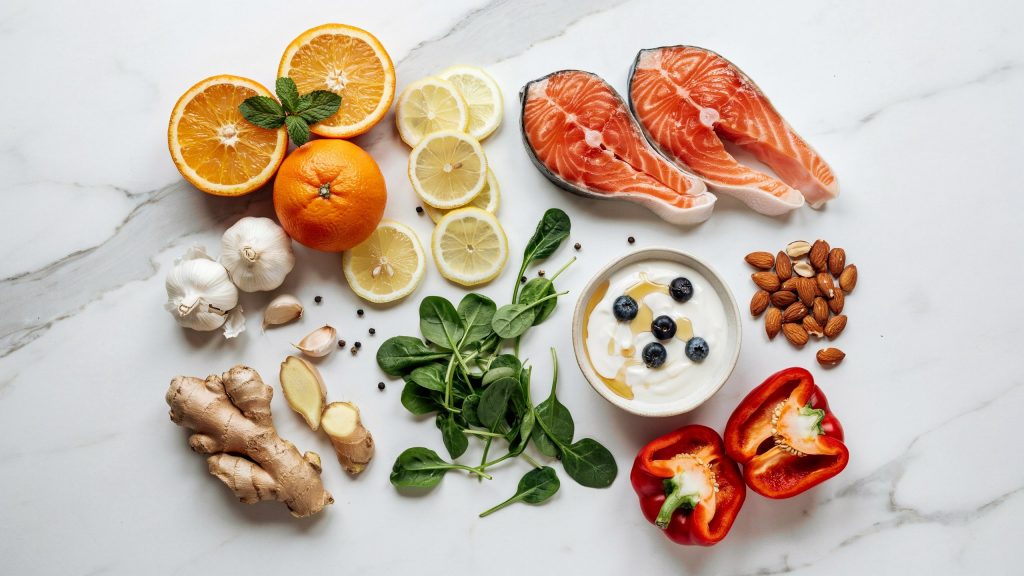
Citrus fruits (oranges, lemons, grapefruits, limes) deliver significant vitamin C alongside flavonoids that have additional antioxidant and anti-inflammatory effects. Eating two portions of citrus fruit daily covers most people’s vitamin C needs.
Red bell peppers contain almost three times the vitamin C of oranges and are also rich in beta-carotene. They are one of the most vitamin-dense vegetables available.
Garlic has been studied extensively for its immune properties. Compounds in garlic, particularly allicin (released when garlic is crushed or chopped), have demonstrated antiviral and antibacterial properties. It also supports healthy gut bacteria.
Ginger has anti-inflammatory and antioxidant effects and has been used across many cultures for centuries to support respiratory health and reduce infection severity.
Turmeric contains curcumin, a compound with significant anti-inflammatory properties. Chronic low-grade inflammation suppresses immune function over time and reducing it supports better overall immune response.
Leafy green vegetables (spinach, kale, Swiss chard) deliver folate, vitamin C, vitamin A, and various antioxidants. They are among the most nutritionally dense foods available and regular consumption is consistently associated with better health outcomes.
Yogurt and fermented foods (kefir, kimchi, sauerkraut, miso) contain live cultures that support the gut microbiome. Given the strong connection between gut health and immune function, fermented foods are among the most direct dietary routes to immune support.
Almonds are rich in vitamin E, an antioxidant that is often overlooked in immune conversations but plays an important role in immune cell function. A small handful daily covers a meaningful portion of daily vitamin E needs.
Green tea contains high concentrations of antioxidants called catechins and the amino acid L-theanine, which has been studied for its role in supporting immune cell function.
Salmon and fatty fish provide both vitamin D and omega-3 fatty acids. Omega-3s have significant anti-inflammatory effects that support immune regulation. Including fatty fish two or three times per week provides meaningful amounts of both nutrients.
Sunflower seeds are rich in vitamin E, selenium, and zinc, making them one of the most concentrated immune-supporting snacks available.
Sweet potatoes are rich in beta-carotene (converted to vitamin A in the body) and provide a substantial amount of your daily immune-supporting nutrition in a single serving.
Gut Health and Immunity
As mentioned earlier, your gut is closely linked to your immune system. A diverse, healthy gut microbiome supports immune regulation and helps distinguish between genuine threats and harmless substances.
Several dietary habits support gut health specifically:
Eating a wide variety of plant foods. Research consistently shows that greater dietary variety correlates with greater microbiome diversity, which correlates with better immune function. Aim for as many different vegetables, fruits, grains, and legumes as possible rather than eating the same things repeatedly.
Eating enough fibre. Dietary fibre feeds the beneficial bacteria in your gut. Most people eat significantly less fibre than recommended. Increasing your intake of vegetables, fruits, legumes, and whole grains is the most direct way to address this.
Including fermented foods regularly. As mentioned above, fermented foods introduce beneficial live bacteria into your digestive system.
Reducing ultra-processed foods. Heavily processed foods are increasingly linked to negative changes in gut microbiome composition. They tend to be low in fibre and high in additives that can disrupt the gut environment.
What Does Not Help (Despite Popular Belief)
It is worth being honest about some commonly promoted immune “boosters” that the evidence does not strongly support.
Large doses of vitamin C supplements beyond what your body can use are excreted rather than absorbed. Vitamin C is important but megadosing is not the same as optimizing your levels.
Echinacea has limited and inconsistent evidence for immune benefits in healthy adults, despite being heavily marketed.
Many “immune boosting” supplements are not well regulated and the claims on labels often far exceed what the evidence supports.
The most effective approach remains a consistently varied diet with adequate amounts of the key nutrients, combined with the lifestyle factors covered in the next section.
Lifestyle Factors That Work Alongside Nutrition
Food is important but it works as part of a broader picture. These lifestyle factors have direct and significant effects on immune function.
Sleep. Your immune system does critical repair and maintenance work during sleep. Studies consistently show that people who sleep less than six hours per night are significantly more susceptible to infection than those who sleep seven to eight hours. If you are eating well but sleeping poorly, your immune function will still be impaired.
Exercise. Regular moderate exercise has well-documented immune benefits. Regular exercise increases circulation of immune cells, reduces chronic inflammation, and supports the gut microbiome.
The key word is moderate. Very intense exercise without adequate recovery can temporarily suppress immune function.
Stress management. Chronic stress significantly suppresses immune function through the sustained production of cortisol and other stress hormones. Managing stress, whether through exercise, mindfulness, social connection, or other means, has direct immune benefits.
Hydration. Water is essential for carrying nutrients to cells and removing waste products. Even mild dehydration impairs many bodily functions including immune response.
Not smoking and moderating alcohol. Both smoking and heavy alcohol consumption directly impair immune function in well-documented ways.
Nutrition works best alongside consistent daily habits. Our guide on easy daily habits for a healthier lifestyle covers the other lifestyle factors that support overall health.
A Sample Day of Immune-Supporting Eating
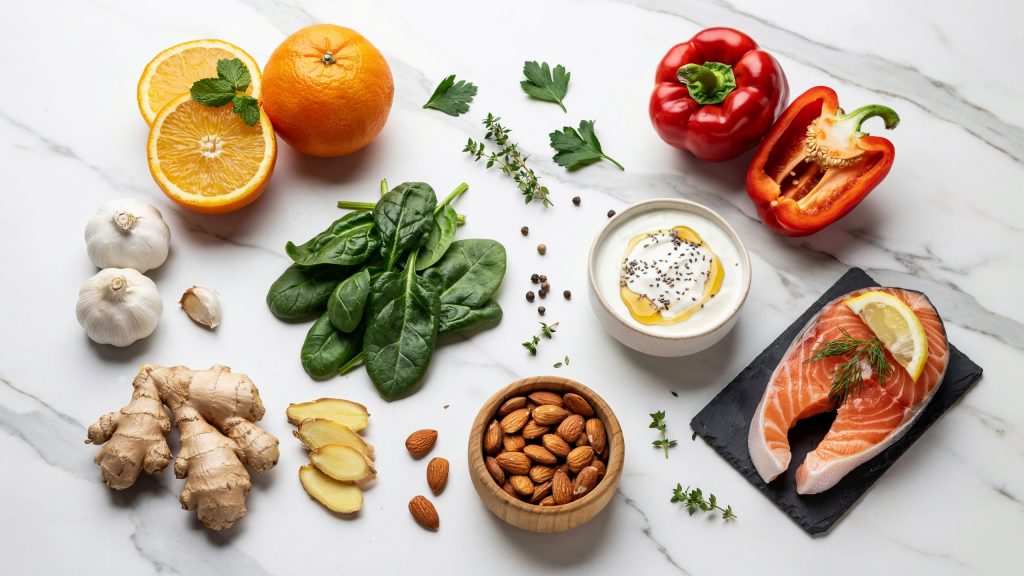
Here is what a day focused on immune-supporting nutrition actually looks like in practice. It is not complicated or expensive.
Breakfast: Oats topped with a handful of mixed berries, a tablespoon of ground flaxseed, and a cup of green tea.
Mid-morning: A small handful of almonds and Brazil nuts (two or three Brazil nuts covers your daily selenium).
Lunch: A large salad with spinach, red bell pepper, chickpeas, cherry tomatoes, and a lemon and olive oil dressing, with a slice of whole grain bread.
Afternoon: A kiwi fruit or orange.
Dinner: Baked salmon with sweet potato and steamed broccoli with garlic.
Evening: A small portion of yogurt or kefir.
This day covers vitamin C, vitamin D, zinc, vitamin E, selenium, iron, folate, omega-3s, fibre, and beneficial bacteria. It is achievable, affordable, and genuinely delicious.
Frequently Asked Questions
Can food actually prevent me from getting sick?
No food or nutrient prevents illness with certainty. But consistently eating a diet rich in immune-supporting nutrients significantly strengthens your body’s defences, reduces the severity and duration of illness when you do get sick, and supports faster recovery.
Should I take immune supplements?
If your diet covers the key nutrients adequately, most supplements are unnecessary. If you have specific deficiencies (vitamin D is the most common), supplementing under medical guidance makes sense. Always prioritize whole food sources over supplements where possible.
How quickly does diet affect immune function?
Some effects are relatively quick, within days to weeks for things like gut microbiome changes. Others, like correcting longstanding nutrient deficiencies, take longer. But consistent dietary improvement over months produces measurable changes in immune markers.
Is sugar bad for immunity?
High sugar intake is associated with increased inflammation and negative changes to the gut microbiome, both of which impair immune function. Moderate consumption is unlikely to cause significant harm but chronically high sugar intake does have measurable negative effects on immune response.
What is the single most important dietary change for immune health?
If you had to choose one thing it would be increasing vegetable intake, both the quantity and variety. More plants means more fibre, more vitamins and minerals, more antioxidants, and better gut microbiome diversity. The knock-on effects touch almost every aspect of immune function.
Final Thoughts
Supporting your immune system through nutrition is not about magic foods or expensive supplements. It is about consistently giving your body the building blocks it needs to do what it is already designed to do.
Eat more plants and more variety. Include fermented foods regularly. Get enough protein and healthy fats. Pay attention to the key nutrients like vitamin D, zinc, and vitamin C. Sleep well, move regularly, manage stress.
None of this is revolutionary. But done consistently it adds up to a genuinely stronger immune system and a body that is better equipped to handle whatever it encounters.
This article is for general informational purposes only. It does not constitute medical advice. If you have specific health concerns or conditions, please consult a qualified healthcare professional.